
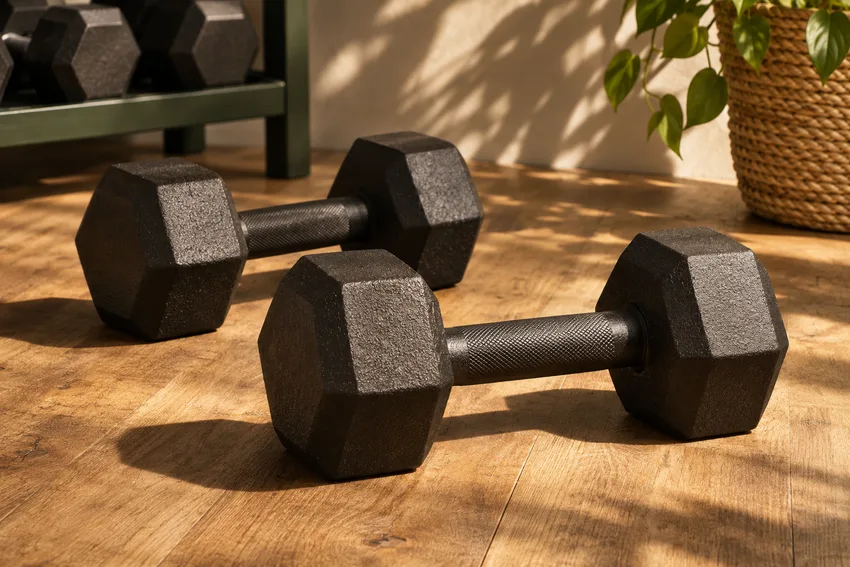
Adjustable Dumbbells for Small Home Gyms
Compare weight ranges, adjustment systems, and storage footprints before replacing a rack of fixed weights.
Read guideThe guide library
Know what to measure, what to compare, and which compromises are worth making in a small home gym.
Compare weight ranges, adjustment systems, and storage footprints before replacing a rack of fixed weights.
Read guideChoose between long loops, mini loops, and handled tubes based on where and how you will use them.
Compare a fold-flat bench with an upright-storage design and measure the room you need around either one.
Plan what fits, what you will use first, and what can wait in a home gym that shares space.
Use your current lifts, gaps between settings, and expansion options to decide how heavy your adjustable dumbbells need to go.
Compare fixed pairs and adjustable dumbbells by floor space, changeover time, and how many weights your household actually uses.
Measure a workout bench in use, through the route to storage, and in its final folded or upright position before ordering.
Compare three resistance band formats by working length, grip, and anchor needs. Learn what the resistance number on a band actually means.
Plan floor protection for dumbbells, benches, and compact cardio gear on hardwood, vinyl, or concrete.
Measure cartons, doors, stairs, and assembly space before ordering a compact treadmill, bench, or set of adjustable weights.
Check model numbers, recalls, wear, missing parts, and pickup costs before buying a secondhand bench, dumbbell set, or walking pad.
Compare equipment, storage, delivery, accessories, and potential return costs with a line-item budget for compact home gym gear.
Check whether a workout bench’s rating includes your body weight and equipment, then compare the limit for the exact setup you plan to use.
Compare handle diameter, usable grip length, knurling, and clearance before choosing adjustable dumbbells for your home gym.
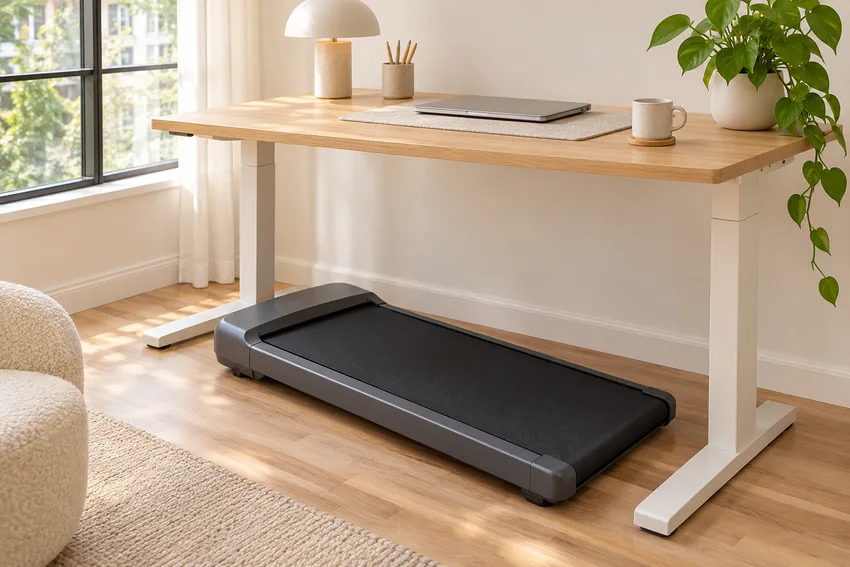
Use your desk, usable belt area, and storage route to narrow down a walking pad.
Read guideChoose between a walking pad, folding-handrail hybrid, and full-size treadmill based on your pace, storage, and available floor space.
Compare usable walking belt length and width, then use a treadmill you already know to make sense of the numbers.
Measure the opening, the space behind it, and the roll-in route before buying a walking pad you plan to store under furniture.
Assess motor noise, footfall vibration, and floor compatibility before setting up a walking pad in a shared building.
Use the belt’s step-up height and your usual keyboard position to check whether a standing desk has enough adjustment for a walking pad.
Read your walking pad’s power instructions and estimate running costs from measured watt-hours and your electricity rate.
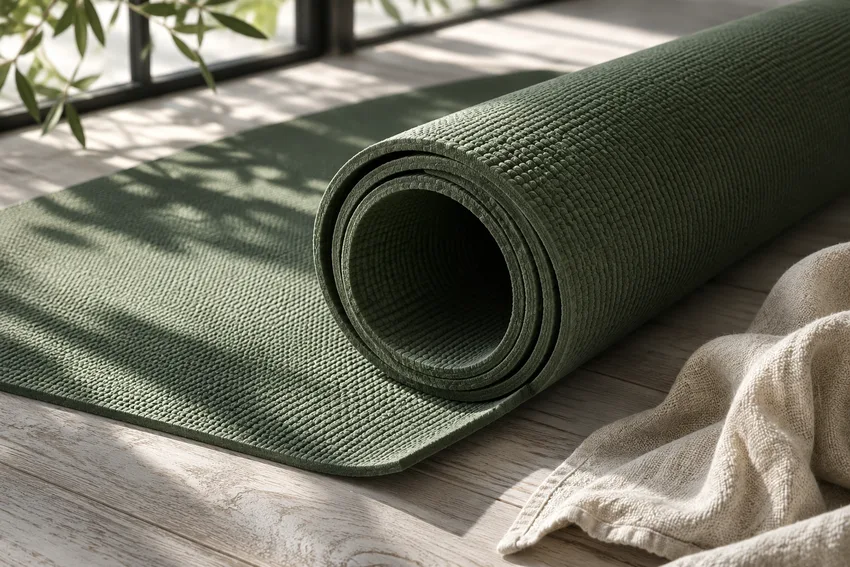
Find a mat with the right area, firmness, and surface for the movements and flooring you have.
Read guideCompare thin, medium, and thick exercise mats for standing balance, floor work, and shared spaces.
Measure length, width, and room clearance for standard, long, and wide workout mats.
Build a mat care routine around its surface, approved cleaner, drying time, and storage position.
Check whether a workout mat stays flat and steady on your carpet. Compare a firm mat, a different location, and floor-friendly backing.
Distinguish grip on the mat from movement underneath it, and check the surface care and moisture guidance before shopping.