
Strength Buying guide
How to Read Workout Bench Weight Capacity
Check whether a workout bench’s rating includes your body weight and equipment, then compare the limit for the exact setup you plan to use.
By HealthFit.ai 3 min read
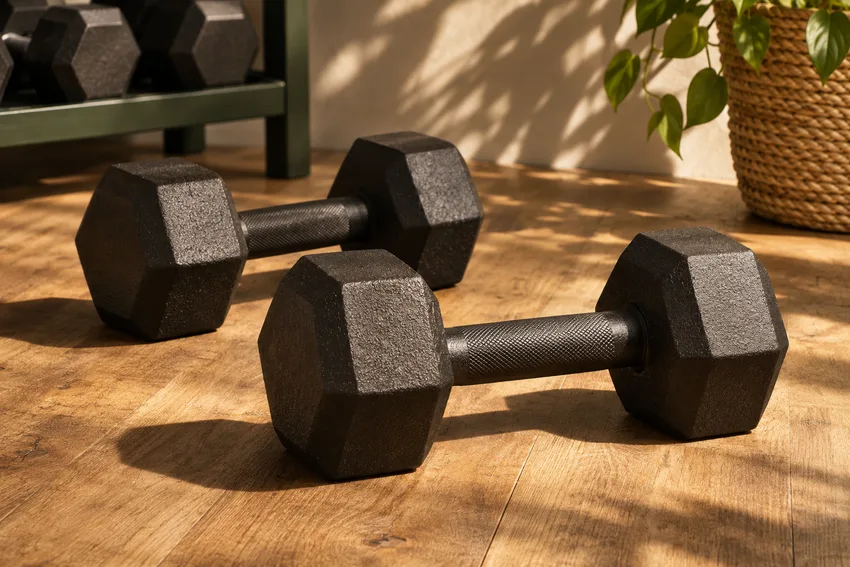
Read the capacity label and the manual together. A figure labeled maximum user plus load covers the person and the equipment together. If a listing gives only a number, confirm what it measures before assuming you can add more weight.
Add the person and everything the bench supports
Use the rating definition for the exact model. BowFlex lists the 5.1S limit as 600 lb for user and load together. In a hypothetical example, a 200 lb user holding two 60 lb dumbbells starts with a combined total of 320 lb. For a barbell, include the bar, plates, and other added weight rather than counting only the plates.
Households can use a single comparison sheet with the heaviest intended combination. Only compare two advertised numbers once you establish that they represent the same kind of load. A maximum user limit and a combined limit answer different questions.
Verify position, setup, and attachments
Check the specified adjustments and accessories. If you plan to use a particular angle or a separate attachment, read the associated instructions and whether the manufacturer gives a different rating for that setup. Get clarification if the listing and manual leave it unclear.
Only use the bench as directed, on a compatible level surface with the adjustment mechanism engaged. Stop using a bench that shifts or has damaged locking parts. A load number says little about whether the bench is correctly assembled or suitable for an exercise outside its intended use.
Check the setup as a whole
A bench rating applies to the bench. Any rack, hooks, spotter system, or floor has its own requirements. Confirm that the bench can be positioned correctly in your rack and that required clearances remain available around it.
If you are comparing models for future purchases, write down your current maximum combination and the use you actually expect. Once the rating is appropriate, details such as pad measurements, adjustment access, and storage can decide which model is easier to live with.
Models to compare
Use the manufacturer details for current specifications, shipping, and return terms. How we research gear.
BowFlex
5.1S Adjustable Weight Bench
A stowable bench with flat, incline, and decline settings.
The folded position is still 52.3 inches tall. Measure the storage spot and the floor clearance you need to tip it upright.
- Stowed size
- 23.9 × 28.1 × 52.3 in
- Back pad settings
- 6, from −20° to 90°
- Bench weight
- 60 lb
REP Fitness
Nighthawk Adjustable Bench
A rigid-frame bench that stands upright between flat and incline sessions.
It uses a vertical storage post, so plan for ceiling clearance and enough room to tip the bench into place. Compare its weight with what you can comfortably move.
- Bench weight
- 88 lb
- Back pad settings
- 7, from flat to 85°
- Storage
- Upright on a built-in post
Before you buy
- Find the manual for the exact bench model.
- Confirm whether its capacity combines user and equipment weight.
- Check restrictions for the intended position and attachments.
- Verify the other parts of the setup separately.
Common questions
Does the advertised bench limit include my body weight?
Read the label for the model. A maximum user plus load figure includes both. Ask the manufacturer if the listing simply says weight capacity.
Can a bench rating tell me whether my floor supports the equipment?
The rating describes the equipment. For a floor with uncertain capacity, check with the property owner, building documentation, or a qualified professional.